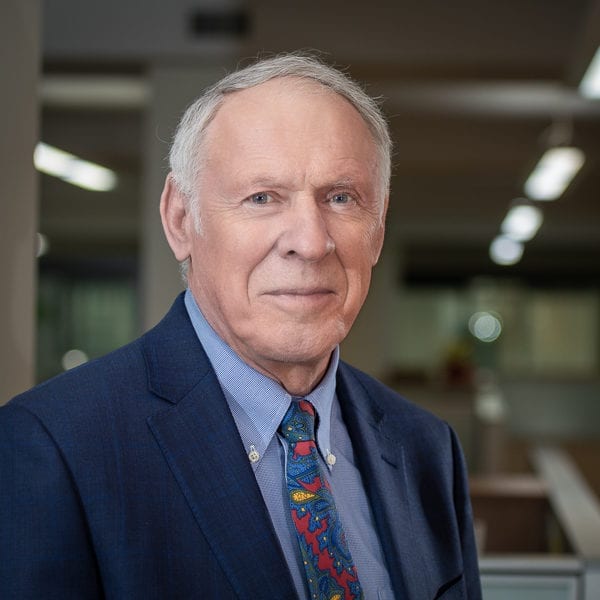
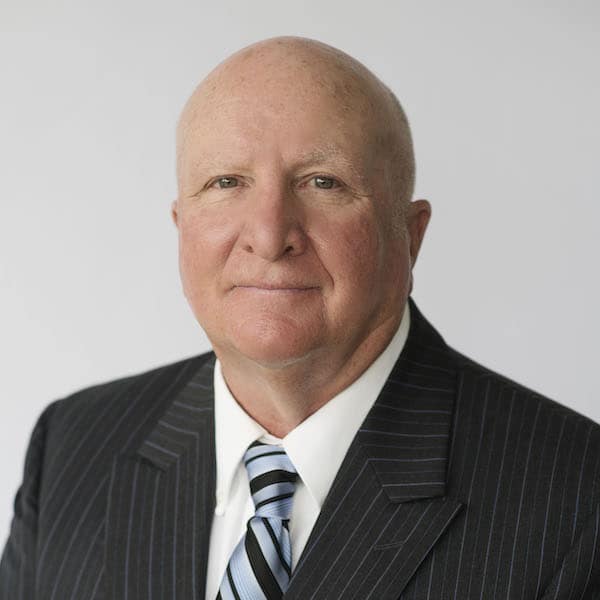
Dr. Daniel Krewski
FSRA, PhD, MHA
Chief Risk Scientist
Joined RSI in 2006
- Global thought leader in risk science
- Expert in public and population health
- 20+ years experience in Federal Government of Canada
- Professor of epidemiology at University of Ottawa since 1998
- Research contributions influencing health policy
Dr. Daniel Krewski is Chief Risk Scientist and co-founder of Risk Sciences International (RSI), a firm established in 2006 to bring evidence-based, multidisciplinary expertise to the challenge of understanding, managing, and communicating risk. As RSI’s inaugural CEO and long-time scientific leader, Dr. Krewski helped define the company’s ethos and methodological approach, grounded in rigorous, transparent, and policy-relevant science.
Under his leadership, RSI has become an international reference point in risk science, advising public and private sector organizations on issues ranging from chemical exposure and public health to advanced toxicity testing, infectious disease modeling, and environmental protection. He has served as RSI’s scientific anchor across dozens of high-profile engagements—among them, work for the U.S. Environmental Protection Agency, Health Canada, the Alliance of Blood Operators, and the Pan American Health Organization.
Although now retired as CEO, Dr. Krewski continues in his role as Chief Risk Scientist, where he contributes to RSI’s most complex risk assessment mandates and supports long-term innovation in the company’s scientific strategy. His work at RSI continues to bridge regulatory application with academic inquiry, and he remains a prolific contributor to RSI publications and tools, including frameworks for next-generation toxicity testing and comparative risk modeling.
He has played key roles in RSI projects addressing risks as varied as mad cow disease, carbon capture and storage, air pollution, climate change, neurological disorders, and pandemic influenza. Across these efforts, his expertise in quantitative modeling, risk communication, and structured expert judgment has helped shape not just organizational practices, but international standards in risk evaluation.
Dr. Krewski’s ongoing relationship with academic institutions—particularly the University of Ottawa—has allowed RSI to maintain strong ties to research frontiers. His joint appointments foster a model of knowledge transfer that benefits RSI’s clients and contributes to training the next generation of risk scientists through mentorship, graduate education, and real-world project integration.
Pre-RSI
Daniel Krewski’s pioneering role in the field of risk science began well before the discipline gained formal recognition. Trained first in mathematics, then in statistics, and ultimately in biostatistics with applications in toxicology and epidemiology, his career has always been at the intersection of quantitative analysis and human health. This multidisciplinary pathway reflects the inherently integrative nature of modern risk science.
He began his professional journey in the Federal Government of Canada, where he served for over 20 years, primarily within Health Canada. There, he worked across a spectrum of risk-related domains—food safety, environmental health, toxicological risk evaluation—collaborating with bench scientists, regulatory evaluators, legislative advisors, and public policy experts. These experiences shaped his enduring focus on pragmatic, science-based solutions to protect population health.
In 1998, Dr. Krewski joined the University of Ottawa as a Professor in the School of Epidemiology and Public Health, where he quickly distinguished himself as both a teacher and research leader. At the university, he founded the McLaughlin Centre for Population Health Risk Assessment, modeled after the Harvard Center for Risk Analysis. The Centre became a leading institution for Canadian risk science, fostering national and international collaborations and serving as a hub for innovative methods in risk assessment and management.
During this period, Dr. Krewski was instrumental in helping to develop foundational risk assessment frameworks for both Health Canada and the U.S. Environmental Protection Agency. He contributed to the evolution of regulatory risk practice, building on the insights from landmark efforts like the U.S. National Research Council’s “Red Book” and later publications on toxicity testing and comparative exposure analysis.
His academic initiatives included the creation of Canada’s first graduate program in risk science, providing structured education for a new generation of interdisciplinary risk professionals. He also served as scientific lead or co-lead on numerous large-scale research initiatives and policy collaborations, including systematic reviews on neurological disease, lung cancer burden, and chemical health impacts, and helped structure national responses to emerging risks like bovine spongiform encephalopathy (BSE) and chronic wasting disease.
Through these pre-RSI roles, Dr. Krewski laid much of the groundwork for RSI’s eventual founding, bringing a blend of government experience, academic leadership, and global thought leadership that would come to define the firm’s identity.
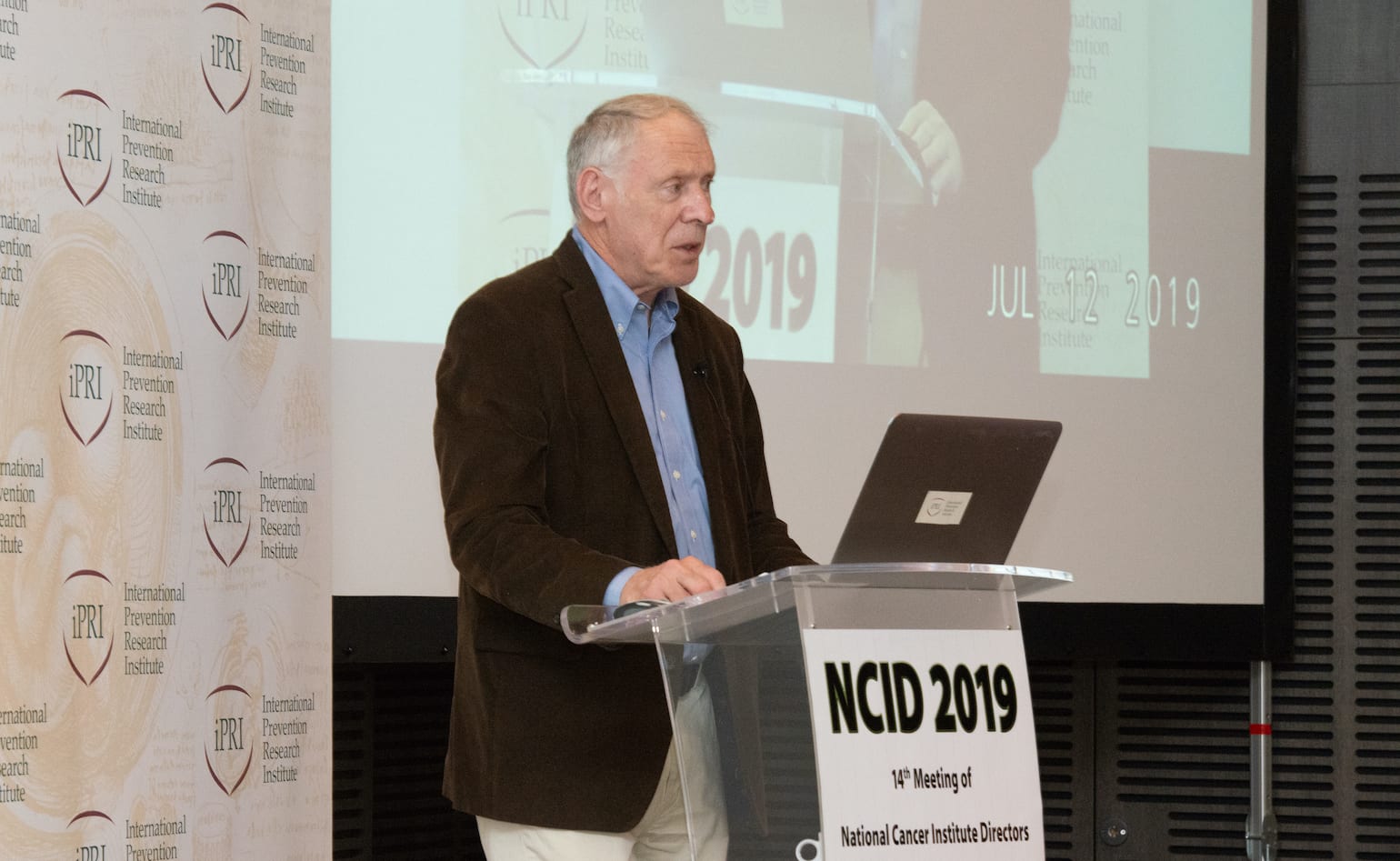
Daniel Krewski, in addition to his many hours spent teaching at the University of Ottawa, is regularly asked to speak including this presentation given during the National Cancer Institute Directors' meeting in Lyon.
Daniel Krewski at work


Case studies associated with Daniel Krewski




Publications associated with Daniel Krewski
A multi-level analysis of risk factors for Schistosoma japonicum infection in China.
Public health benefits of strategies to reduce greenhouse-gas emissions: health implications of short-lived greenhouse pollutants.
The psychosocial and socioeconomic consequences of bovine spongiform encephalopathy (BSE): a community impact study.
Recent oral contraceptive use and adverse birth outcomes.
Cardiovascular mortality and exposure to airborne fine particulate matter and cigarette smoke: shape of the exposure-response relationship.
International case studies of psychosocial ripple effects of bovine spongiform encephalopathy (BSE) in European countries.
Extended follow-up and spatial analysis of the American Cancer Society study linking particulate air pollution and mortality.
Low dose ionizing radiation exposure and cardiovascular disease mortality: cohort study based on Canadian national dose registry of radiation workers.
Does leptin play a role in obesity-asthma relationship?

Search all publications
RSI News associated with Daniel Krewski

Aging and cognitive decline

Evidence-based Risk Assessment Framework

Value of information
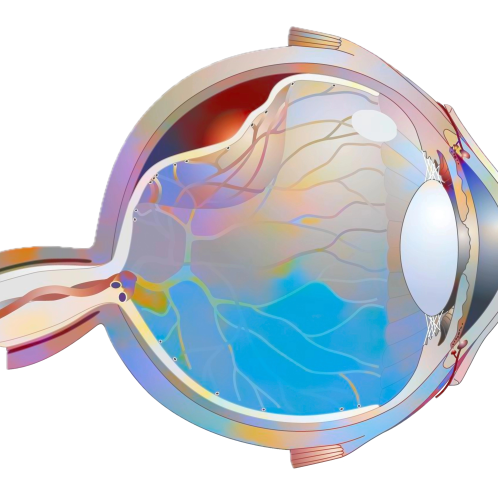
Quinolones and risk of retinal detachment
Bias Assessment in Case-Control and Cohort Studies for Hazard Identification
Outside RSI
Beyond his extraordinary professional accomplishments, Dr. Daniel Krewski is a passionate mentor, energetic speaker, and multitalented individual with a strong connection to both scientific and civic life. Over the course of his career, he has supervised dozens of graduate students and postdoctoral researchers, many of whom have gone on to lead public health, environmental safety, and risk science programs across Canada and internationally.
He remains deeply engaged in the academic community as Scientific Director of the McLaughlin Centre and as a senior member of faculty at the University of Ottawa, where he contributes to program development, scientific advisory boards, and expert panels. He frequently participates in peer-review committees, conference keynote sessions, and collaborative projects with regulatory and research agencies worldwide.
Known for his clarity of thought and collegial manner, Dr. Krewski is often described by colleagues as a principled scientist—someone who communicates with humility, leads through consensus, and uses evidence to advance public well-being.
Yet his interests are far from limited to risk science.
He is a prolific amateur photographer, responsible for documenting RSI’s visual history and for capturing many of the natural stone sculptures and other imagery featured on RSI’s materials and website. His love of photography reflects a lifelong attention to detail and composition—qualities that mirror his scientific mindset.
A resident of Ottawa, Dr. Krewski also enjoys wine tasting, stone sculpture, and performance driving, having participated in programs such as the Ford Performance Racing School in North Carolina. He is equally at home leading a Zumba class on Parliament Hill as he is reviewing national environmental policy; his personal vitality and balance make him a compelling presence across settings.
Through these extracurricular pursuits, Dr. Krewski brings humanity, curiosity, and creativity to everything he does—reinforcing his role not only as a global thought leader in risk science but as a vibrant contributor to Canada’s cultural and academic life.

Teaching Zumba with Co-instructors Sharon and Iryna
A few more images...