A Risk Sciences International Special initiative
CRAFT Collective Risk Action Framework and Toolkit
Introduction

In simpler times, a single organization might have found adequate solutions; however, we no longer live in such times. Today’s challenges require collective efforts.
It takes a village
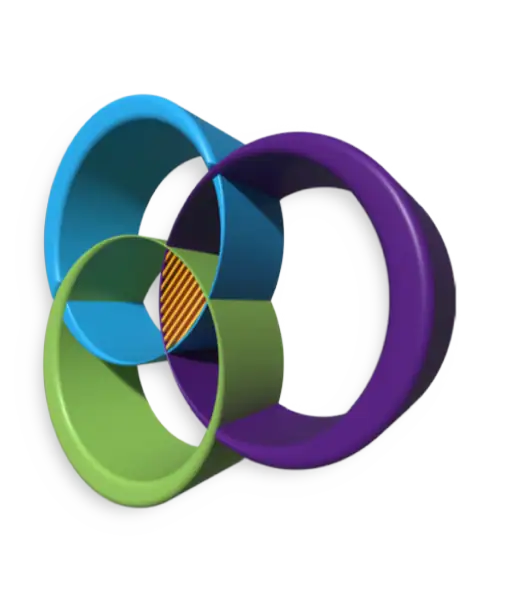
In today’s interconnected and transboundary world, risks rarely confine themselves to one specific area or group. Instead, they often spread across different authorities and sectors, impacting a wide range of stakeholders and complicating the management and mitigation efforts required to address them.
Recognizing this multifaceted challenge, Risk Sciences International (RSI) has developed the Collective Risk Action Framework and Toolkit (CRAFT). This innovative process is specifically designed to tackle complex risks that transcend traditional boundaries.
- Of note, CRAFT addresses two types of collective risks: shared and similar.
- Shared risks are single risks that are common to multiple stakeholders, requiring a unified approach.
- Similar risks occur when multiple peer organizations face analogous challenges within their own jurisdictions, necessitating distinct strategies informed by the diverse lessons learned.
In either case, when a risk is identified as multi-jurisdictional, CRAFT facilitates collaboration among stakeholders from the public, private, and civil society sectors, who in turn are informed and supported by RSI and external experts.
By uniting these diverse perspectives and resources, CRAFT enhances the understanding of the risks and fuels the development of evidence-based solutions. These solutions can then be effectively implemented, ensuring that the collective efforts result in robust and resilient outcomes.

The CRAFT Initiative expands its focus beyond specific or localized risks to address wider challenges faced by regulators, authorities, and various peer groups. It emphasizes the importance of sharing best practices, resolving common issues, and enhancing collaborative efforts. With RSI’s deep expertise in understanding, managing, and communicating risk, CRAFT offers a tailored, comprehensive solution for a diverse range of entities, including partners and competitors aiming to enhance their cooperation. The initiative empowers these organizations by providing a structured process designed to foster connections and promote extensive collaboration, both broadly and in response to specific challenges. Ultimately, CRAFT aims to bolster capacity through not only initial exchanges but also sustained, ongoing communication.
‘Shared’ Risks Scenarios

Here are a few examples that illustrate how addressing risks and creating opportunities can benefit from a collective approach. The reader can undoubtedly envision additional scenarios where a single entity lacks the resources to effectively tackle challenges that could be better managed by multiple actors working together.
A Shared Risk Scenario
A Polluted Lake
Sustainably cleaning up a polluted lake would require multiple stakeholders, notably local, regional and national government agencies, environmental NGOs and other nonprofits, the local community, businesses and industry both in part responsible for but also subjected to the pollution, academic and research institutions as well as environmental experts, perhaps the media, and legal professionals to frame the challenge.


A Shared Risk Scenario
Brain Drain
How does one incentivize educated citizens to stay, or come back to, their home country, to shore up that country’s ability to provide medical, scientific, educational, engineering, and other services reliant on educated and experienced professionals? No single entity, not a multilateral, not that country’s federal government, or indeed one well meaning philanthropist can change the dynamic sustainably. Only through collective effort, requiring convening and collaboration, can this type of challenge be solved.
A Shared Risk Scenario
Urban Deserts
One consequence of store closings, for whatever reason, is the resulting food, medical, pharmaceutical, and policing deserts they create. Entire city regions are being abandoned. Solving this issue cannot be placed exclusively on the shoulders of a municipal government. Multiple actors must come together from all levels of government as well as economic development agencies, health and human services, non-profits to provide a bridge, retailers, investors, experts, as well as philanthropists and foundations.

‘Similar’ Risks Scenarios
Below are some example scenarios of challenges facing various jurisdictions either similarly or simultaneously. Whether it be neighboring provinces, regulators from various countries, or multiple industries engaged in similar mining, in these instances, even when legislation is different, language is a perceived barrier, or competition is the mission, finding ways to learn from one another, collaborating on mutually-beneficial solutions, or simply engaging in dialogue, can go a long way to improving outcomes.
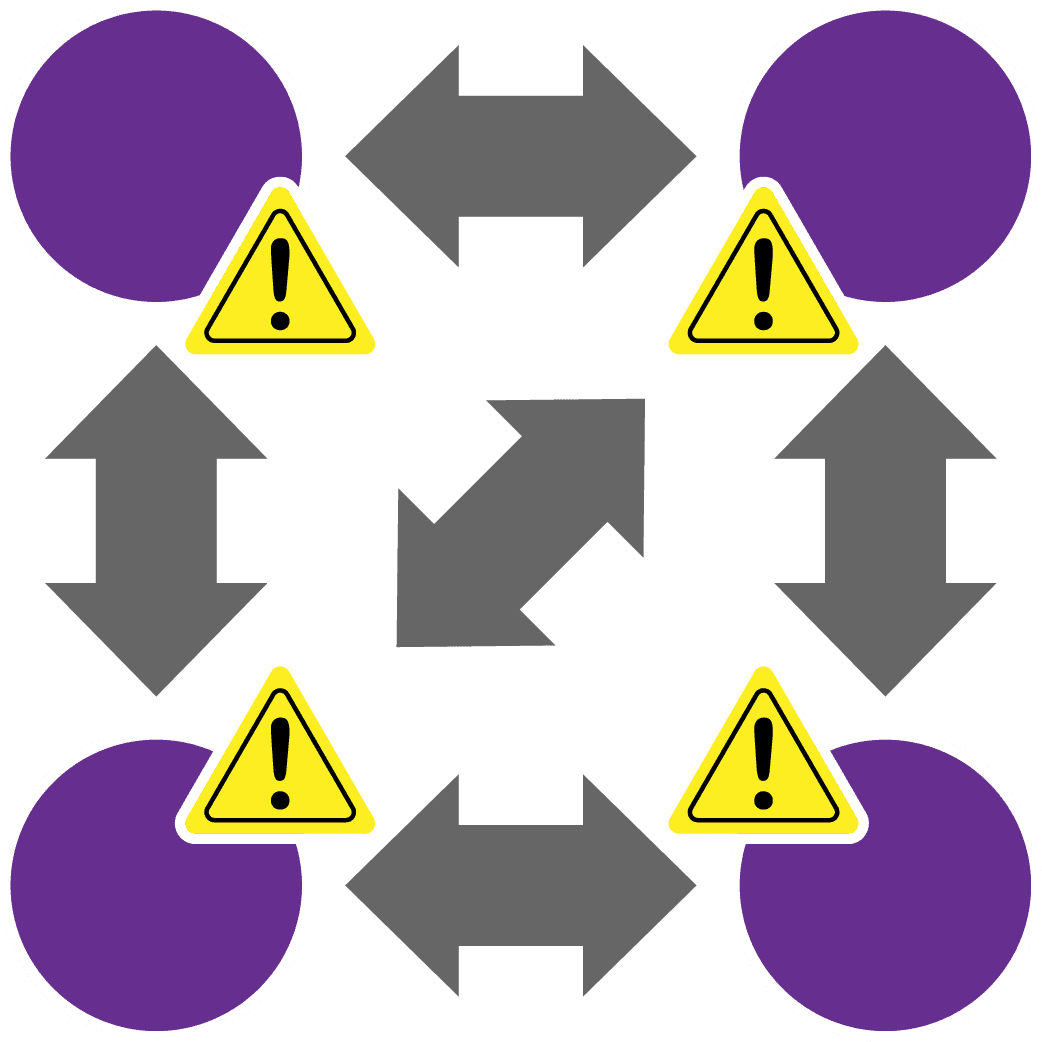

A Similar Risk Scenario
Playground Safety
Vancouver, Vermont, and Venezuela are all three concerned by playground safety. What works? What doesn’t? Who has found a way to reduce accidents? Who has found the evidence that demonstrates what increases them? Playground safety is the perfect example of the value of sharing best practices in the hope of finding solutions that make our children safe.
A Similar Risk Scenario
Water Management
Regulators, local authorities, provincial and state authorities, all face the challenge of water. Where from – how much – to whom – at what price – and many more, are all questions that need answering. Those who work with water know that there are no easy answers, but they also know that some are finding solutions. Those solutions could help everyone and thus, in the interest of mutual success, CRAFT is the type of instrument that can create a much needed flow of information in the field of water policy.


A Similar Risk Scenario
Wildfire Risk Reduction
Wildfires are threatening firefighters, the public, residences, and infrastructure world wide. Climate change is exacerbating extremes forcing authorities to adapt and evolve quickly. Learning from one another and finding ways to effectively and efficiently share knowledge and resources is more important now than ever. Whether among lead authorities, or a broader range of stakeholders, helping each other goes beyond intervention to include pre-facto preparedness and best practices.
CRAFT – The Acronym
The following five modules elaborate on the five letters that constitute CRAFT.
C – for – COLLECTIVE
Risks transcend boundaries, necessitating cross-sector collaboration which is both crucial and complex. Interconnectedness means incidents in one area can impact others, like a cyber-attack on a power-grid affecting neighboring counties, provinces, or even countries. Similarly, environmental challenges like air pollution are not region-specific; they affect global climate, biodiversity, and health, requiring cooperation among industry, authorities, and civil society. So yes, a collective solution means coming together to fix specific risks, but it also applies to the need for collective knowledge and action among peers facing similar obstacles.
R – for – RISK
there is opportunity.
Risks do not have to be global in scale to warrant collaboration. While often-cited risks such as climate change, conflict, and pandemics have far-reaching, trans-national impacts, there are countless multilateral, intranational, regional and local risks that also require multiple stakeholders working together or exchanging knowledge to be effectively addressed. Regardless of scale, trans-jurisdictional risks need to draw on shared resources, expertise, and cooperation from various authorities and sectors to effectively manage and mitigate their consequences. The list of ‘risks’ that creep across boundaries is long. Also key to the understanding of how CRAFT works is the marriage of risk with opportunity. While some may focus exclusively on the negatives, CRAFT aims to uncover and reinforce the positives.
A – for – ACTION
action is transformational.
Solutions to many of the world’s problems exist already. The challenge is to put them into action. To effectively confront trans-jurisdictional risks, decisive and coordinated action from all involved parties is essential. These risks cannot be mitigated through passive approaches; instead, they require a series of concrete, proactive steps. The challenge lies in mobilizing collective action. CRAFT solves this by fostering collaboration, ensuring that all parties are actively engaged, and contributing to a cohesive strategy.
F – for – FRAMEWORK
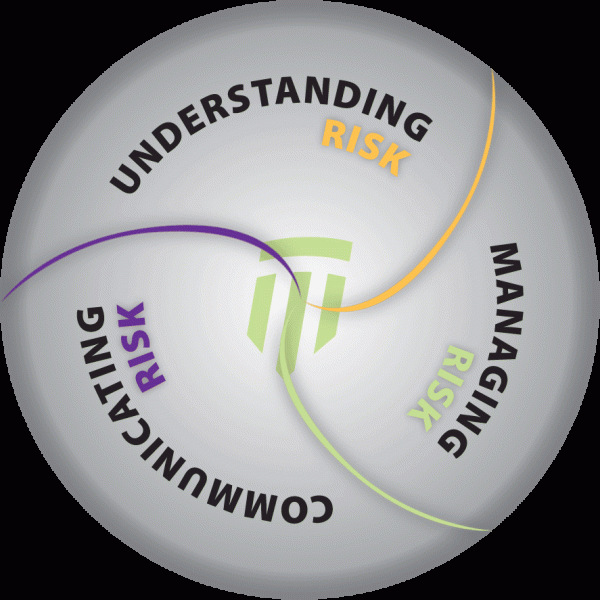
The CRAFT approach calls for a set of processes. These processes, though adapted to each individual situation, remain mostly essential to the completion of a multi-stakeholder endeavor. Of note, the CRAFT Framework uses RSI’s three-pillar paradigm of understanding, managing and communicating risk. Of further note, parts of the Framework are more often used when dealing with a shared risk, while others are more relevant to similar risk scenarios.
UNDERSTANDING TRANS-JURISDICTIONAL RISK
The multi-authority, multi-sector solution to a risk, begins with understanding it. In no particular order, these are some of the strategies used to understand a CRAFT risk.
- Comprehensive Risk Assessment
- Evidence matters. Knowing the full and precise extent of a risk, beyond conjecture or individual appraisal, is imperative. We must thus implement a thorough risk assessment process to identify and analyze selected risks. This involves understanding root causes, tracing its evolution, evaluating the likelihood and impact of various scenarios, while understanding their potential to affect multiple constituencies.
- Inclusive Stakeholder Analysis
- Contributing or affected stakeholders must be identified and understood before being convened. Key stakeholders across all relevant jurisdictions and sectors, including governments, private entities, NGOs, community groups, or international bodies must be considered. Insight into the pool of stakeholders will inject diverse insights and perspectives, ensuring a holistic understanding of all actors.
- Capacity Building
- Prior to collaboration, and throughout, stakeholders need to be adequately equipped to better contribute to solutions development, and later action implementation. If necessary, beyond information sharing, this may even involve training and workshops to enhance the skills and knowledge of stakeholders as regards the risk. Equally important is to build capacity in risk dynamics and best practices in risk management.
- Risk Monitoring Systems
- Leading up to, and as discussions unfold, systems might be implemented to monitor the risk, providing a better and more precise understanding of it. This should also include the tracking of external or emerging threats and assessing their potential impact.
MANAGING TRANS-JURISDICTIONAL RISK
When several authorities and sectors work together on a risk, a sound management strategy is essential. In no particular order, these are some of the strategies used to manage a CRAFT process.
- Strategic Resource Allocation
- Implementing action requires collective resourcing scaled to each stakeholder’s capacity to contribute. Thus, throughout the CRAFT process, the group mobilizes necessary resources to fund personnel, equipment, and technology. These resources are then strategically allocated or pooled to support both individual and collaborative action.
- Policy and Regulatory Frameworks
- Where policies and regulations exist, they must be incorporated into the thinking. Where they do not exist, and are needed, they are formulated and proposed for adoption. This might involve revising existing laws or regulations, or creating new ones, notably to address cross-jurisdictional factors.
- Coordinated Response Planning
- Bringing stakeholders together is entirely sensible, at least on paper. Actually working together towards a common cause is a greater challenge. It is essential to coordinate the pace and progress of each stakeholder. To achieve this coordination requires clearly defined roles, responsibilities, and decision-making authorities, resulting in operational efficiency for joint decision-making.
- Neutral and Confidential Convener
- Managing risk reduction or response requires a trusted, neutral, outside party. Risk Sciences International recognizes the weight of this responsibility. Similarly, the process requires a trusted repository of information or materials that require security and confidentiality.
COMMUNICATING TRANS-JURISDICTIONAL RISK
Whether internally or externally, those working on risk will inevitably resort to a variety of communication efforts. In no particular order, these are some of the tools and strategies used to communicate a CRAFT process.
- Effective Internal Communication Channels
- Working together requires transparency, clarity, access, and security. Stakeholders must have an efficient means of communicating to all at one or bilaterally when needed. To be adopted, the channels must be secure, acceptably easy to use, reliable, and equipped with the necessary functionality. Prime among the needs is the ability to dialogue, message directly, share files, collaborate on documents, and when necessary, voice opinions either openly or anonymously.
- Continuous Evaluation and Adaptation
- A process like CRAFT relies on having the latest information and adapting to it. It is not a rigid process that starts and finishes with the same parameters. Thus, being continually updated with the most recent data, our outside threats or opportunities, is essential.
- Reciprocal Confidentiality
- Though open dialogue is necessary, so too is the need for respect of each other’s confidential information. While RSI will act as a repository for the more confidential information, when sharing among stakeholders is necessary, said confidentiality will be monitored to ensure its respect.
- Public Transparency
- As required and when appropriate, the public must be kept appraised of progress by sharing evidence, planning and progress. The group will need to agree upon public communication, its timing, and whether it is best released by one party or another.
T – for – TOOLKIT
What tools are needed to bring together potentially disparate stakeholders, help them exchange evidence and ideas, and then take those ideas and make them into actionable goals?
The CRAFT ‘toolkit’ encompasses strategies, software tools, information sharing platforms, a set of standard operating procedures as well as templates for potential instruments and reporting. These tools and mechanisms are designed to facilitate measurement, assessment, collaboration, communication, and coordinated action. Note that not all tools are used all of the time, nor is this the exhaustive list of tools at our disposal.
- Structures
- The Risk Action Parties (RAP) may create a formal or informal structure to further its actions. The type of structure will depend on both the need and the typology of its stakeholders. Said structure can range from an informal working group, to a not-for-profit associations, a co-operative, a non-governmental organization, a hybrid multi-lateral organization, or even a corporate structure. Its mandate, officers and duration will vary based on the aforementioned needs and typologies.
- Risk Assessment Tools
- RSI, and often some of our participating stakeholders, possess tools that can identify and evaluate shared risks, taking into account their likelihood and potential impact. This includes data analytics, predictive modeling, and scenario planning to understand and anticipate risks.
- Communication Platforms
- Effective communication channels are crucial for sharing information, insights, and alerts among stakeholders. RSI builds and operates both shared and project specific online engagement platforms.
- Legal and Regulatory Worksheets
- For consultations on the development and revision of risk regulations, clear guidelines are established that define regulatory roles, responsibilities, and cooperation mechanisms across different jurisdictions and sectors. These take the form of collaborative worksheets that solicit non-disparate core information about a risk from all stakeholders, with the aim of arriving at mutually agreeable legal and regulatory recommendations.
- Collaborative Decision-Making Structures
- Creating sub-committee style joint task forces are often necessary to address sub-components of a risk. These structures involve representatives from relevant stakeholders.
- RASIP – Risk Action Standard Interaction Procedures
- Similar to standard operating procedures, RASIPs lay the ground rules for interacting among stakeholders. RASIPs are initially generic but then become project-specific allowing for specific needs. These might include guidelines for knowledge exchange, cybersecurity protocols, or messaging procedures. RASIPs lead to the group’s RAMOU.
- RAMOU – Risk Action Memorandum of Understanding
- Resulting from the RASIP is a RAMOU, which is adhered to and signed by all stakeholders. This living document – in that it is subject to revisions – becomes the agreement/contract between parties. The RAMOU is superseded if a formal structure is later formed, with its own regulations or bylaws.
- Training and Capacity Building Programs
- Training programs to enhance the skills and knowledge of stakeholders in managing shared risks may be implemented. These programs may include workshops, educational resources, and even drills.
- Financial Instruments and Funding Mechanisms
- Depending on the scope of the project, financial or funding instruments may be established.
- Policy Instruments and Agreements
- On cross-border risks, international instruments and/or agreements may be necessary. Though different in nature, local and regional risks may well warrant similar accords.
- Community Engagement, Outreach and Awareness Programs or Campaigns
- Not all, but most efforts require some form of outreach. These information efforts may take the form of programs, traditional campaigns, or even long-term relationship building within the community.
CRAFT ‘Shared Risk’ Workflow
The CRAFT initiative sets in motion, develops and implements multi-authority, multi-sector risk responses to shared risks. Doing so requires a robust workflow. Additionally, the CRAFT initiative helps peers to connect, helping them to share knowledge and best practices in their sector of activity.
The workflow below represents a ‘Shared Risk’ project. The ‘Similar Risks’ workflow differs substantially.
Note that workflow is for illustrative purposes exclusively; the formal versions of the workflows live in The CRAFT Playbook used by CRAFT participants to better coordinate activities.
- Phases Table of Contets
- Phase 1: Inventory
- Phase 2: Assessment
- Phase 3: Convening
- Phase 4: Action Planning
- Phase 5: Action Implementation

PHASE 1
INVENTORY PHASE
Identify the elements of the challenge and pre-assess the impact of addressing this risk.
When RSI identifies or becomes aware of a risk or situation that could benefit from the CRAFT Initiative, the first step is to perform an inventory of available data, stakeholders, resources and history in order to perform a confirmatory pre-appraisal. Following this initial gauging, RSI prepares a budget to cover the second and third phases of the project and seeks the necessary funding. This phase culminates with a decision on whether to move forward to the next phase of the initiative.
Risk Proposed for Consideration
A public authority, a civil society organization, a private entity, or RSI directly, identifies an existing or emerging risk that would benefit from a collective, action-oriented intervention. Initial considerations include the nature of the threat (e.g. public health, socioeconomics, environment, conflict), the geographic scope (e.g. local, intranational, international), and the time horizon (e.g. imminent, intermittent, sustained).
Initial craft INVENTORY
As a first litmus test, RSI performs a cursory inventory composed of an evidence scan, stakeholder scan, and historical scan. The goal is to gather the necessary information to inform both an initial go-nogo and to point the later assessment in the right direction.
Initial craft Appraisal
Based on the gathered evidence and observations – the inventory – a preliminary impact appraisal is penned to guide the subsequent assessment phase.
ASSESSMENT AND CONVENING BUDGET
Based on this initial appraisal and approximation of ways forward, a budget covering the assessment and convening phases is drafted. The budget total is dependent on the scope of the risk, the number and typology of potential stakeholders, the likely duration, breadth and depth of the required assessment, and the potential complexity of the convening and discussion steps.
ASSESSMENT AND CONVENING FUNDING
As per the assessment and convening budget, funding is sought and secured to support the assessment and convening phases. The amount is covered by a combination of stakeholder financial and in-kind contribution, RSI’s own in-kind contribution, and possible third party donation(s). Finally, an approximate provision is made for the action planning phase (to be confirmed during the supplemental funding round). Funding proportionality among stakeholders and possible external donors is determined on a per-case basis.
IN | OUT POINT (#1)
Armed with the preliminary appraisal, the assessment and convening budget, and available funds, RSI and any early stakeholder(s) decide whether to continue the project or to abandon it.
- Phases Table of Contets
- Phase 1: Inventory
- Phase 2: Assessment
- Phase 3: Convening
- Phase 4: Action Planning
- Phase 5: Action Implementation

PHASE 2
ASSESSMENT PHASE
Threats require thorough empirical risk assessments.
Phase 2 of the project focuses on gaining a comprehensive understanding of the identified risk or situation by conducting systematic assessments that address stakeholders’ concerns. This phase involves scoping and executing one or more assessments using a structured and methodical approach.
Key characteristics of these systematic assessments include clearly outlining the objectives, criteria, and boundaries of the assessment (defined scope); using consistent and standardized procedures for data collection, analysis, and interpretation (standardized methods); gathering relevant data from various sources, including quantitative and qualitative information (data collection); applying rigorous analytical techniques to evaluate the data, identify patterns, and draw conclusions (analysis and interpretation); engaging relevant stakeholders throughout the process to ensure their concerns and perspectives are addressed (stakeholder involvement); recording all steps, methodologies, and findings in a transparent and detailed manner (documentation); and ensuring the accuracy and reliability of the data and findings through cross-checking and validation methods (verification). The outcome of this phase is a verified report that integrates all necessary information on the risk or other assessments. Core stakeholders, who have primary responsibility for the risk or its management, may participate in this phase, with the assessment outcomes subsequently consulted with a larger group of stakeholders.
Risk Assessment
Led by RSI, the scope and focus of the assessments are determined in consultation with stakeholders. For a risk assessment, factors considered include the specific hazard, exposures, and outcomes of concern. Once the scope and parameters have been established, the assessment is handed off to independent assessors. The CRAFT process is designed to be flexible, responding to the needs of the situation by tailoring the depth and breadth of the risk assessment to the type and level of required information and data availability. In addition to risk assessments, societal concern, ethical, or other more qualitative assessments are conducted as appropriate for the situation.
risk assessment validation
One or more external experts are enlisted to review and validate the risk assessment, thereby ensuring that the work adheres to the highest standards and addresses the specific risks involved effectively.
risk assessment familiarization
Most stakeholders are well-versed in the subtleties of the risk at hand, and the risk assessment process. For those who are not, RSI can provide personalized training to enhance a stakeholder’s capacity to interpret the risk assessment.
risk assessment stakeholder internal review
It is vital for each stakeholder—particularly those identified early on—to be both aligned with and committed to the upcoming initiatives. Accordingly, stakeholders are urged to not only analyze the assessment for accuracy and relevance but also to conduct an internal review to evaluate the level of resources they can contribute to the implementation phase.
revised risk assessment
Based on expert and stakeholder input, the risk assessment is revised. The revision further includes any newly found evidence.
- Phases Table of Contets
- Phase 1: Inventory
- Phase 2: Assessment
- Phase 3: Convening
- Phase 4: Action Planning
- Phase 5: Action Implementation
PHASE 3
CONVENING PHASE
Sustainable solutions require genuine collaboration.
The CRAFT Initiative is fundamentally built on collaboration. The convening stage is crucial, as it brings together all stakeholders, external experts, and RSI to jointly evaluate the assessment and develop or refine solutions. This collaborative effort aims to produce a joint declaration of intent. The stage concludes with a critical decision point — the second ‘in | out point’ — which allows individual stakeholders or the entire group to withdraw from the process if conditions warrant.
Principal Stakeholder Outreach
CRAFT excels in convening and facilitating discussions among all relevant stakeholders—regardless of size or sector, be they private, public, or civil society—as long as they are impacted by or contributing to the risk in question. The process begins with identifying these stakeholders, bringing them together, and updating them on the progress made thus far.
preemptory training
Prior to embarking on a round of intense deliberations, some stakeholders may wish to receive training on both risk and the issue being tackled.
core deliberations
This stage represents the principal collaborative consultation of the project. Its purpose is for all stakeholders to collectively understand the assessment, propose and discuss solutions, and establish a shared vision and goals for moving forward. It involves a series of plenary and committee meetings, the complexity and duration of which may vary depending on the specific nature of the risk and the composition of the stakeholders involved.
ACTION OPTIONS ASSESSMENT
Driven by RSI, stakeholders independently consider the information and conclusions from both prior assessments and recent deliberations to identify potentially viable and effective action options. Supported by stakeholders and external experts, RSI evaluates the effectiveness, costs, and cost-effectiveness of the main proposed options, enabling stakeholders to assess the benefits and costs of these solutions. Stakeholders then review and evaluate the short-listed candidate solutions, deciding on the option that best addresses the risk and other key issues. Of note, in the case that a consensus cannot be reached, the joint declaration that follows will reflect this.
in | out Point (#2)
Armed with a validated risk assessment declarations of interest, the group is now ready to make the major decision of selecting the best action plan and whether or not to move forward with planning and implementation, and whether to do so jointly or individually.
joint declaration
After deliberations conclude, a comprehensive report is produced, followed by the issuance of a Joint Declaration. This declaration, which may be circulated externally, details the conclusions and critically, the recommendations that emerged from the discussions. Additionally, it specifies each stakeholder’s future intentions, clarifying whether they will collaborate within the CRAFT initiative or address the challenges on an individual basis.
- Phases Table of Contets
- Phase 1: Inventory
- Phase 2: Assessment
- Phase 3: Convening
- Phase 4: Action Planning
- Phase 5: Action Implementation

PHASE 4
ACTION PLANNING PHASE
Action requires thorough planning.
Following the joint declaration to proceed, the next phase involves planning for implementation. During this phase, the vision and goals are clearly defined, and measures to ensure sound governance and principled integrity are established. Additionally, this phase involves detailed planning of the project’s execution. It culminates with the final ‘in | out point’, allowing for termination of the project if the planning reveals critical flaws or if unforeseen circumstances arise.
PRE-ACTION SUPPLEMENTAL FUNDING
The action planning phase is crucial as it bridges the gap between assessment and action. Consequently, funding for this phase is not included in the initial budget for assessment and convening, as it only becomes relevant if the decision is made to move beyond the assessment phase. Additionally, this phase’s funding does not cover the subsequent implementation phase, since the costs associated with implementation will only be defined upon completion of the planning phase.
Therefore, the specific bridge funding for this stage is allocated solely for planning purposes. Although it is disbursed at this stage, its estimated amount and conditional approval are already secured within the framework of the original budget for assessment and convening.
DEVISE VISION AND GOALS
The action planning phase marks a pivotal moment in the overall project, where stakeholders transition from assessment to actionable steps. At this juncture, it becomes essential to define the broad vision for the outcome of the effort. This vision serves as a guiding beacon, illuminating the path forward and ensuring that all actions are aligned with the intended long-term objectives of the initiative.
Additionally, specific goals must be established to inform the detailed planning process. These goals are derived from the insights gained during the risk and capacity assessments. Setting these objectives earlier would have been premature, as they require a thorough understanding of the existing conditions and potential challenges highlighted by the assessments. With these foundational assessments completed, stakeholders are now in a position to set clear, achievable goals that are both informed by the initial findings and aligned with the overarching vision.
Devise Governance and Integrity
Responsible risk mitigation or management demands robust ethical oversight, underscoring the necessity of establishing an Ethics Board. This board is essential for drafting and enforcing rules concerning transparency and confidentiality, ensuring that all stakeholders adhere to a high ethical standard. Additionally, it is critical to develop clear quality criteria and controls. These measures will guarantee that both the planning and the subsequent implementation phases meet the highest standards of integrity and effectiveness. By doing so, we ensure that the project not only achieves its goals but also maintains public trust and accountability throughout its duration.
design project
The extensive work conducted thus far has been crucial in laying the groundwork for the project design step, a significant phase that encompasses a comprehensive array of components. This phase involves the development of precise timings, key milestones, and the critical path that outlines essential taskings and responsibilities. It also includes the establishment of standard interaction procedures, which are vital for maintaining clear and consistent communication throughout the project lifecycle.
Moreover, the project design step involves the conceptual development of community awareness initiatives, as well as outreach and engagement efforts, which are critical for ensuring stakeholder participation and buy-in. Additionally, it encompasses the development of any necessary technical assistance or capacity-building measures to support project execution. Other fundamental aspects include securing necessary permits and setting up robust internal communication guidelines and platforms to facilitate efficient information flow among project teams.
Furthermore, this stage includes critical administrative and governance tasks such as reconfirming or modifying the Ethics Board to ensure ongoing compliance with ethical standards. Selecting, or confirming, legal counsel to provide necessary legal oversight, formalizing ethical guidelines to govern project conduct, and establishing a structure selection committee tasked with recommending the most effective organizational structure for project implementation are also integral components of this phase. Each element is designed to ensure that the project not only meets its strategic goals but also adheres to the highest standards of ethical and operational excellence.
in | out Point (#3)
To date, the CRAFT process has provided stakeholders with TWO distinct opportunities — in | out points — to decide whether to continue their involvement in the project. These decision points have allowed stakeholders to evaluate their participation based on evolving information and project phases. Now, with the completion of consideration, validation, assessment, and the development of the action plan, one final opportunity presents itself for stakeholders to either opt out of the process or to terminate their involvement completely. Beyond this stage, it is presumed that all remaining stakeholders are fully committed to the project’s collective implementation.
It is important to note that the conclusion of an individual CRAFT project does not necessarily signify the abandonment of the overarching project goals. Instead, such a conclusion may reflect a strategic decision by stakeholders to pursue their objectives independently rather than through a unified, structured approach. This allows for flexibility in implementation strategies, catering to the specific needs and capacities of each stakeholder, while still aligning with the project’s ultimate objectives.
- Phases Table of Contets
- Phase 1: Inventory
- Phase 2: Assessment
- Phase 3: Convening
- Phase 4: Action Planning
- Phase 5: Action Implementation
PHASE 5
ACTION IMPLEMENTATION PHASE
We act together to achieve more sustainable outcomes.
If stakeholders choose to implement solutions on an individual basis, this phase is bypassed. However, if there is a collective decision to proceed, this phase involves all necessary steps to formalize, execute, and manage the project. Additionally, it includes provisions to officially conclude the project once the goals have been successfully achieved.
ACTION IMPLEMENTATION FUNDING AND RESOURCES
If the choice was made to proceed with a collective, structure-based action implementation process, said process will need to be funded.
STRUCTURE FOUNDED
Stakeholders have the opportunity of creating a structure to best serve the implementation phase of the project. Said structure might be informal, in the form of a working group, or formal in the form of a public-private partnership, non-governmental organization, corporation, or other. In most cases, the structure is, de facto, not-for-profit. Beyond its formation, stakeholders establish guidelines or bylaws. It is during this phase that the group also formalizes proposed committees.
EXECUTE PROJECT
Should the stakeholders decide to jointly implement the project solutions, this step regroups the multiple, relevant, sub-steps which are, de facto, project specific. Whereas the resolution of a polluted lake challenge will require one set of steps, addressing homelessness will require an entirely different set.
This step can last one month, one year, or be ongoing. It can be without major cost or cost the local equivalent of several million dollars. It can be a stakeholder-only implementation or may require the contracting of multiple external providers.
In short, this step is entirely dependent on whether – or not – the CRAFT initiative is tasked with devising a plan, creating a structure and implementing the chosen solution(s).
ongoing | closure
A project closure generally indicates a successful completion. This said, some risks require ongoing vigilance and effort.
Final Evaluation
Upon deciding whether to close the project or continue it, regardless of which, RSI delivers a final evaluation of the project from start to finish. This output serves both as an accountability measure but also as a lessons-learned tool for future projects.
Closure
If it was decided to close the project, the structure and assets are subject to liquidation or dissolution.
- Phases Table of Contets
- Phase 1: Inventory
- Phase 2: Assessment
- Phase 3: Convening
- Phase 4: Action Planning
- Phase 5: Action Implementation
FREQUENTLY ASKED QUESTIONS