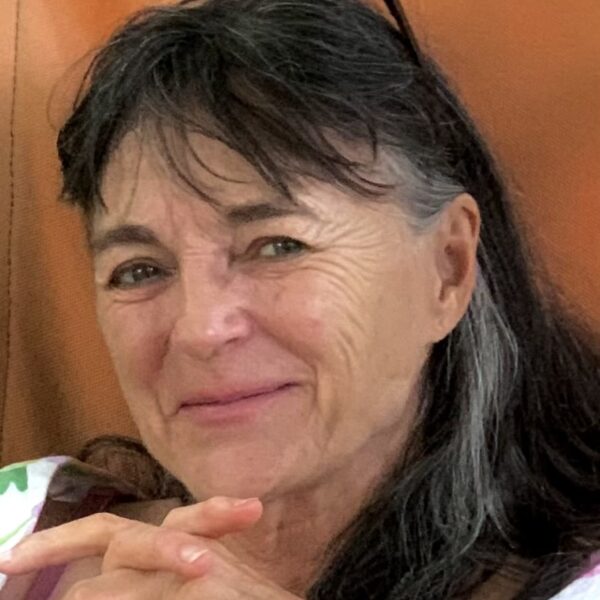
RSI's Franco Momoli

Dr. Franco Momoli

PhD, MSc

Vice-President Chemical and Product Safety

Joined RSI in 2019

  • Experienced epidemiologist and biostatistician

  • Adjunct Professor at the University of Ottawa, School of Epidemiology and Public Health

  • Broad experience in clinical research and environmental chemical human health risk assessment

  • Expert in evidence synthesis and quantitative bias modelling of epidemiologic studies

  • Served as a member and interim chair of the CHEO Research Ethics Board

Dr. Franco Momoli joined Risk Sciences International (RSI) in 2019 and currently serves as Vice-President, Chemical and Product Safety. In this role, he leads a multidisciplinary team of epidemiologists, risk assessors, toxicologists, and biostatisticians in conducting human health risk assessments related to environmental contaminants and consumer products. His practice group supports government agencies, regulatory bodies, and international partners in making science-informed decisions that safeguard public health.

As RSI’s lead on chemical and product safety, Dr. Momoli has guided major projects including:

  • Systematic review and robust evidence integration of epidemiologic and toxicologic data—including human, animal, and mechanistic studies—for Health Canada on the health effects of fluoride, arsenic, and asbestos, covering drinking water and inhalation exposure routes;
  • Safety assessment of residual barium impurities in a novel clinical therapeutic product, including derivation of a permissible daily exposure;
  • Development of a Bayesian Network weight-of-evidence tool for Health Canada to support hazard identification in environmental chemical risk assessments;
  • Benchmark dose modelling to derive points of departure as a first step in developing regulatory health-based values for arsenic and fluoride;
  • Mode-of-action framework analysis of mechanistic data on formaldehyde and upper respiratory tumors;
  • Numerous projects and publications for the International Manganese Institute on biomarkers of manganese exposure, including updated diagnostic recommendations for manganism;
  • Collaboration with the European Food Safety Authority (EFSA) on a problem formulation framework for risk assessment guidelines, and development of the APRIO structured question framework for designing research and risk assessment questions;
  • Support to Health Canada on a modernized, public health–driven approach to chemicals management;
  • Consulting for the Canadian Partnership Against Cancer, focusing on modernizing provincial and territorial cancer registries, including artificial intelligence applications;
  • Toxicokinetic modelling of lead at Canadian contaminated sites using the US EPA All-Ages Lead Model, Version 3; and
  • Consultations on methodologies for deriving points of departure for formaldehyde and particulate matter (PM2.5 and PM10).

At RSI, Dr. Momoli is recognized for integrating modern methodologies with real-world applicability. His dedication to methodological rigor, statistical clarity, and policy relevance has shaped RSI’s approach to chemical risk assessment and consumer product safety. In addition to his leadership at RSI, he holds an appointment as Adjunct Professor (previously Associate Professor) in the School of Epidemiology and Public Health at the University of Ottawa, bridging academic theory with regulatory application.

Pre-RSI

Dr. Momoli’s career began not in epidemiology, but in the animal sciences, where his fascination with human aging was sparked by Caleb Finch’s Longevity, Senescence, and the Genome. This early interest led him to graduate work on Alzheimer’s disease, conducting behavioural and cognitive testing on transgenic and knockout mouse models as part of his M.Sc. research at McGill University and the Douglas Hospital Research Institute.

He later transitioned into epidemiology and biostatistics, where he earned a Ph.D. at McGill University. Over the years, Dr. Momoli developed specialized expertise in semi-Bayesian models, quantitative bias modeling, and the application of advanced statistical methods to population health.

As a professor at the University of Ottawa, Dr. Momoli taught and mentored numerous graduate students, many of whom now hold influential roles in academia, public health, and research institutions. He was one of Canada’s principal scientists in the MOBI-Kids international study on non-ionizing radiation from cell phones and brain tumors in youth.

Prior to joining RSI, he spent a decade at the research institutes of The Ottawa Hospital and the Children’s Hospital of Eastern Ontario (CHEO), where he collaborated on a broad range of studies in adult and pediatric health. These included diagnostic accuracy studies, randomized controlled trials of medical and device interventions, scoping and systematic reviews of new therapeutic products, survey design, and secondary data analyses of hospital records, spanning many topics in clinical research. During this time, he also served on research ethics boards at both institutions, including as interim chair of the CHEO Research Ethics Board, and was a member of CHEO’s Policy Ethics Board—roles that deepened his perspective on ethical dimensions in clinical and epidemiological research.

As an educator and methods specialist, he often attempted to popularize modern design and analytical methods to improve the quality of evidence; he frequently joined journal clubs with trainees or physicians to discuss recently published research from a methodologic perspective, including clubs for radiologists, orthopedic surgeons, dermatologists, vascular surgeons, pediatric medical residents, and intensive care physicians.

During his time with the research institutes, Dr. Momoli was a longstanding member of the CHEO SPARK Group (Sleep-disordered Breathing in Populations of At-Risk Kids), Ottawa Brain Tumor Group, Ottawa Hospital Upper Extremity Orthopaedics Research Group, Ottawa Hospital Delirium in Palliative Settings Research Group, Ottawa Hospital Urology Research Group, Ottawa Hospital Stroke Research Group, and Ottawa Hospital Vascular Surgery Research Group. He was a member of various research teams, including Evaluation to Action (Aboriginal Child Health), 5P (Predicting Persistent Post-Concussive Problems in Paediatrics), SUNDIPS (Studies to Understand Delirium in Palliative Care Settings), MOBI-Kids Consortium (Brain Tumor Etiology in Youth), and the DDEPICT/DDACA (Determination of Death) Investigators Group.

He is an author of several book chapters on environmental health and toxicology, including Patty’s Industrial Hygiene and Toxicology, the Encyclopedia of Environmental Health, and the International Encyclopedia of Public Health. He has published over 100 articles across the breadth of epidemiologic clinical research, as well as epidemiologic and toxicologic human health risk assessments of chemicals.
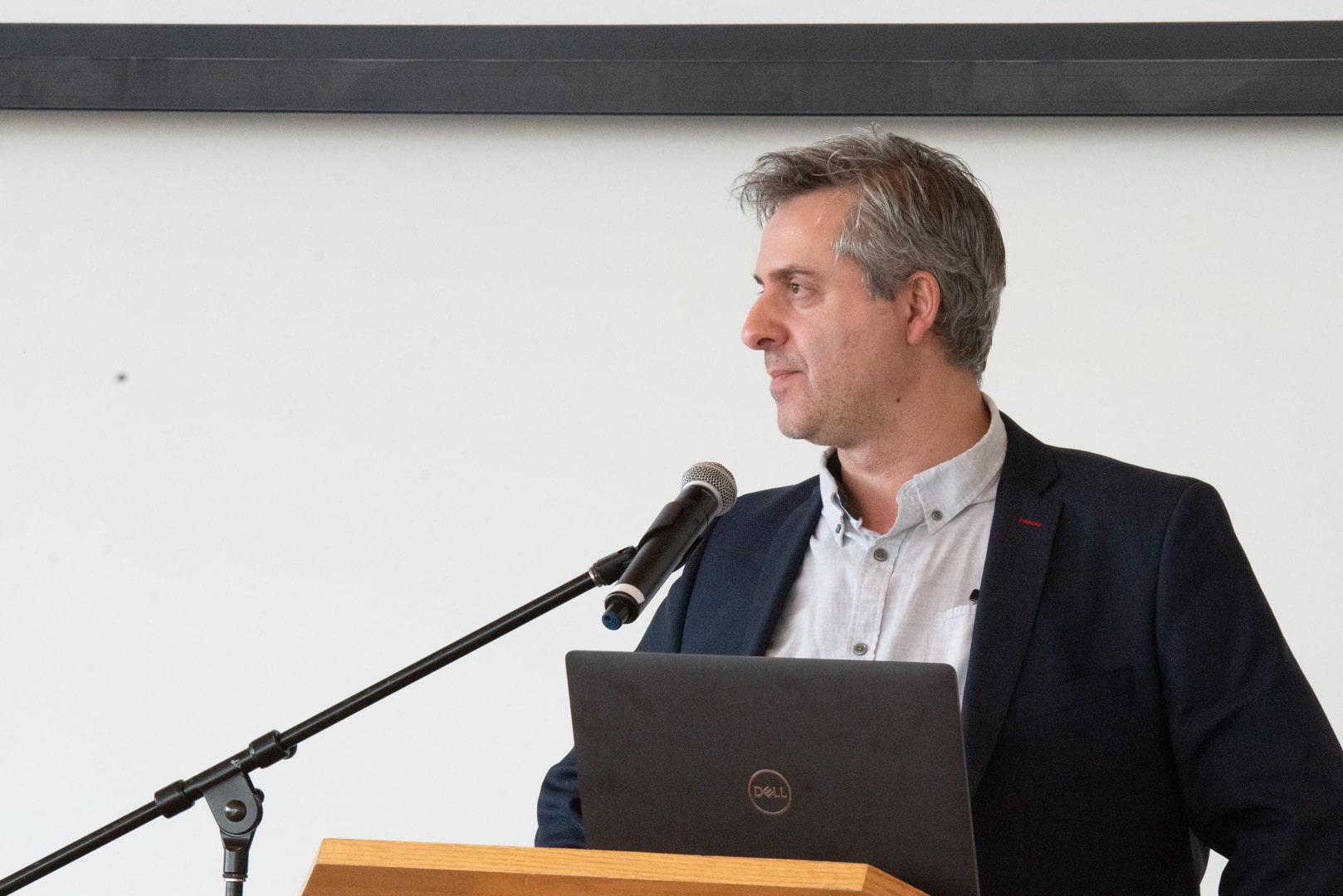
Dr. Momoli, who believes teaching is a vocation, giving one of his many and regular lectures.

Case studies associated with Franco Momoli
Drinking Water Guidelines for Manganese

PROJECT DESCRIPTION

Establishing science-based drinking water guidelines for manganese requires integrating diverse regulatory approaches, emerging modeling tools, and evolving toxicological evidence. The client commissioned this project to systematically assess existing manganese drinking water guidelines and the scientific foundations upon which they are...
Read More about Drinking Water Guidelines for Manganese

EFSA Framework for Problem Formulation

PROJECT DESCRIPTION

To enhance the methodological rigour of its scientific assessments, EFSA sought to develop a standardised framework for problem formulation (PF) within its non-application scientific assessment protocols. The goal was to support the planning phase of these assessments by establishing a...
Read More about EFSA Framework for Problem Formulation

Environmental Public Health Approach (EPHA) to Chemicals Expert Workshop

PROJECT DESCRIPTION

To advance the Government of Canada’s Chemicals Management Plan (CMP), a virtual expert workshop was planned and hosted to refine and evaluate a Canadian framework for the Environmental Public Health Approach (EPHA) to chemicals. The initiative focused on developing case...
Read More about Environmental Public Health Approach (EPHA) to Chemicals Expert Workshop

Communication material on lithium in drinking water and health risks

PROJECT DESCRIPTION

To support public communication around emerging drinking water concerns, RSI was engaged to develop accessible, scientifically grounded materials on lithium exposure and its potential health effects. The work focused on equipping stakeholders with clear, credible information that could inform both...
Read More about Communication material on lithium in drinking water and health risks

Applying New Assessment Methods (NAMs) for Assessing Semi-Volatile Organic Compounds (SVOCs) in Indoor Residential Environments

PROJECT DESCRIPTION

Health Canada sought expert support in advancing its efforts to develop screening values for semi-volatile organic compounds (SVOCs) commonly found in residential indoor environments. Previous work on indoor air contaminants had focused on volatile organic compounds (VOCs), where screening values...
Read More about Applying New Assessment Methods (NAMs) for Assessing Semi-Volatile Organic Compounds (SVOCs) in Indoor Residential Environments

External Peer Review of the Draft Screening Assessment Report on Selected C3-C5 Alcohols

PROJECT DESCRIPTION

To support the quality and defensibility of regulatory decision-making under the Canadian Environmental Protection Act, 1999 (CEPA), Health Canada engaged Risk Sciences International to coordinate an independent external peer review of the Draft Screening Assessment Report (DSAR) for Selected C3-C5...
Read More about External Peer Review of the Draft Screening Assessment Report on Selected C3-C5 Alcohols

External Peer Consultation of the Inorganic – Late Biomonitoring Approach Draft Screening Assessment Report

PROJECT DESCRIPTION

To support the Chemicals Management Plan under the Canadian Environmental Protection Act (CEPA), Health Canada sought expert peer consultation for a draft screening assessment report (DSAR) evaluating 47 inorganic substances identified as priorities. The client required independent scientific and technical...
Read More about External Peer Consultation of the Inorganic – Late Biomonitoring Approach Draft Screening Assessment Report

Age-Related Cognitive Decline: Systematic Review and Meta-Analysis

PROJECT DESCRIPTION

The College of Physicians & Surgeons of Alberta (CPSA) commissioned a systematic review and meta-analysis to support evidence-informed decision-making around age-related cognitive decline among practicing physicians. The initiative was led by CPSA’s Physician Health Monitoring Program (PHMP), which sought to...
Read More about Age-Related Cognitive Decline: Systematic Review and Meta-Analysis

Environmental Health Factors, Chronic Diseases, and Pandemic Resilience

PROJECT DESCRIPTION

To support more effective health policy and pandemic preparedness, this project examined how environmental health factors intersect with chronic disease and influence pandemic resilience. The client sought evidence to clarify how exposures to contaminants in air, water, and soil contribute...
Read More about Environmental Health Factors, Chronic Diseases, and Pandemic Resilience

Publications associated with Franco Momoli

Long-term cognitive impairment after probable delirium in long-term care residents: A population-based retrospective cohort study.


ABSTRACT

BACKGROUND: The impact of delirium on cognition has not been well-studied in long-term care (LTC) residents. This study examined changes in cognition 1 year after a probable delirium episode among LTC residents, compared to LTC residents without probable delirium. We...
Publication details about Long-term cognitive impairment after probable delirium in long-term care residents: A population-based retrospective cohort study.

Validation of mobile phone use recall in the multinational MOBI-kids study.


ABSTRACT

Potential differential and non-differential recall error in mobile phone use (MPU) in the multinational MOBI-Kids case-control study were evaluated. We compared self-reported MPU with network operator billing record data up to 3 months, 1 year, and 2 years before the...
Publication details about Validation of mobile phone use recall in the multinational MOBI-kids study.

Review of epidemiological and toxicological studies on health effects from ingestion of asbestos in drinking water.


ABSTRACT

Asbestos is a group of naturally occurring fibrous minerals that were commonly used in the construction of cement pipes for drinking water distribution systems. These pipes deteriorate and can release asbestos fibers into drinking water, raising concerns about potential risk...
Publication details about Review of epidemiological and toxicological studies on health effects from ingestion of asbestos in drinking water.

Tranexamic Acid During Radical Cystectomy: A Randomized Clinical Trial.


ABSTRACT

IMPORTANCE: Among cancer surgeries, patients requiring open radical cystectomy have the highest risk of red blood cell (RBC) transfusion. Prophylactic tranexamic acid (TXA) reduces blood loss during cardiac and orthopedic surgery, and it is possible that similar effects of TXA...
Publication details about Tranexamic Acid During Radical Cystectomy: A Randomized Clinical Trial.

Phenome-wide association study of genetically predicted B vitamins and homocysteine biomarkers with multiple health and disease outcomes: analysis of the UK Biobank.


ABSTRACT

BACKGROUND: Although a number of health outcomes such as CVDs, metabolic-related outcomes, neurological disorders, pregnancy outcomes, and cancers have been identified in relation to B vitamins, evidence is of uneven quality and volume, and there is uncertainty about putative causal...
Publication details about Phenome-wide association study of genetically predicted B vitamins and homocysteine biomarkers with multiple health and disease outcomes: analysis of the UK Biobank.

Physical activity levels, pulmonary function, and MRI in children born extremely preterm: A comparison between children with and without bronchopulmonary dysplasia.


ABSTRACT

INTRODUCTION: Children with a history of bronchopulmonary dysplasia (BPD) may have lower physical activity levels, but evidence to date is mixed. This study compared physical activity levels between children born extremely preterm with and without history of BPD, and examined...
Publication details about Physical activity levels, pulmonary function, and MRI in children born extremely preterm: A comparison between children with and without bronchopulmonary dysplasia.

Aetiology of extracranial carotid free-floating thrombus in a prospective multicentre cohort.


ABSTRACT

BACKGROUND: Carotid free-floating thrombi (FFT) in patients with acute transient ischaemic attack (TIA)/stroke have a high risk of early recurrent stroke. Management depends on aetiology, which can include local plaque rupture, dissection, coagulopathy, malignancy and cardioembolism. Our objectives were to...
Publication details about Aetiology of extracranial carotid free-floating thrombus in a prospective multicentre cohort.

Concomitant use of statins and sodium-glucose co-transporter 2 inhibitors and the risk of myotoxicity reporting: A disproportionality analysis.


ABSTRACT

AIMS: Recent case reports have suggested that sodium-glucose co-transporter 2 (SGLT2) inhibitors may interact with statins to increase their risk of myotoxicity. We assessed the risk of myotoxicity reporting associated with concomitant use of SGLT2 inhibitors and statins. METHODS: We...
Publication details about Concomitant use of statins and sodium-glucose co-transporter 2 inhibitors and the risk of myotoxicity reporting: A disproportionality analysis.

A longitudinal analysis of early lung function trajectory in survivors of childhood Hodgkin lymphoma.


ABSTRACT

BACKGROUND: Childhood Hodgkin lymphoma survivors suffer from long-term effects decades after treatment completion with a prevalence of pulmonary dysfunction of up to 65.2%. AIMS: This study explored the early trajectory of pulmonary function in pediatric cancer patients with Hodgkin lymphoma...
Publication details about A longitudinal analysis of early lung function trajectory in survivors of childhood Hodgkin lymphoma.

Search all publications

RSI News associated with Franco Momoli

Aging and cognitive decline
Working with the College of Physicians and Surgeons of Alberta, Risk Sciences International conducted a wide-ranging review of aging and cognitive decline, with specific focus on aging physicians and fitness to practice.  The publication in Aging & Mental Health documents domains of cognition that decline with older age, concerns with...
News article about Aging and cognitive decline

Quinolones and risk of retinal detachment
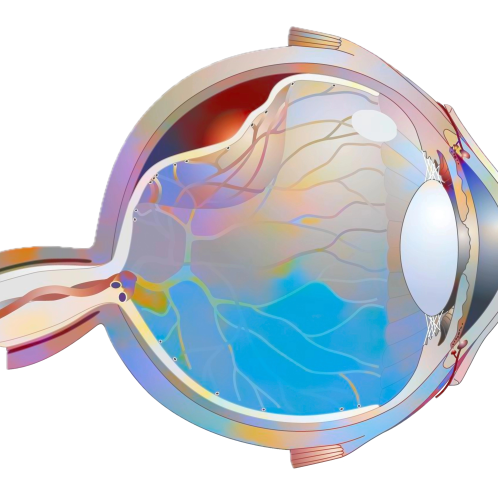
Following previous work on the potential risk of acute liver failure associated with quinolone antibiotics, RSI investigators, Mohamed Taher, Franco Momoli, Donald Mattison and Daniel Krewski evaluated the potential risk of retinal detachment (RD) associated with these medications. Although no cases of RD were linked to quinolones in clinical trials, some...
News article about Quinolones and risk of retinal detachment

Bias Assessment in Case-Control and Cohort Studies for Hazard Identification

IARC recently published a volume on quantitative bias modelling: Bias assessment in case–control and cohort studies for hazard identification (IARC Scientific Publication No. 171). We are pleased to see inclusion of some of the work RSI's Drs Franco Momoli and Daniel Krewski conducted for the INTERPHONE and MOBI-Kids studies of...
News article about Bias Assessment in Case-Control and Cohort Studies for Hazard Identification

Outside RSI

Outside the office, Franco Momoli blends intellectual curiosity with physical balance and creative pursuits. A firm believer that teaching is a vocation, he remains engaged in academia not just as an adjunct professor but as a public educator, frequently lecturing on statistical modeling, risk interpretation, and the interplay between science and policy.

Franco’s love of classic literature informs his way of thinking—structured, reflective, and precise. He also finds peace on the water, often kayaking the Ottawa River or exploring local waterways. Whether alone in a kayak or in a dragon boat crew, Franco sees rhythm and balance as essential—not unlike the principles that guide his epidemiologic modeling.

He is also a devoted student and practitioner of Aikido, a martial art that emphasizes the redirection of energy, intentionality, and mutual respect—values that mirror his approach to leadership and mentorship. And when not kayaking, lecturing, or solving statistical puzzles, Franco is likely savoring good coffee, something he treats as both ritual and reward.

Whether at work or at rest, Dr. Momoli embodies the ethos of deliberate inquiry, methodical progress, and quiet excellence—a rare blend of scientific rigor and humanistic sensibility.

A few more images...

Direct contact with Franco Momoli

Contact Form to Staff

Admin view only

Your name
Your name
First Name
Last Name