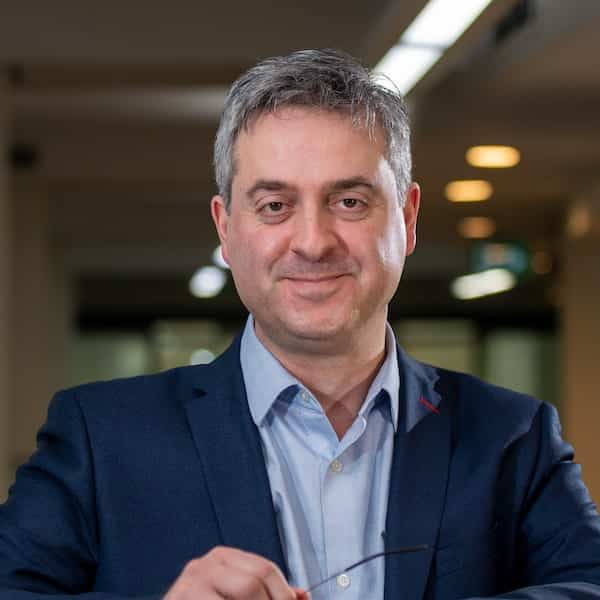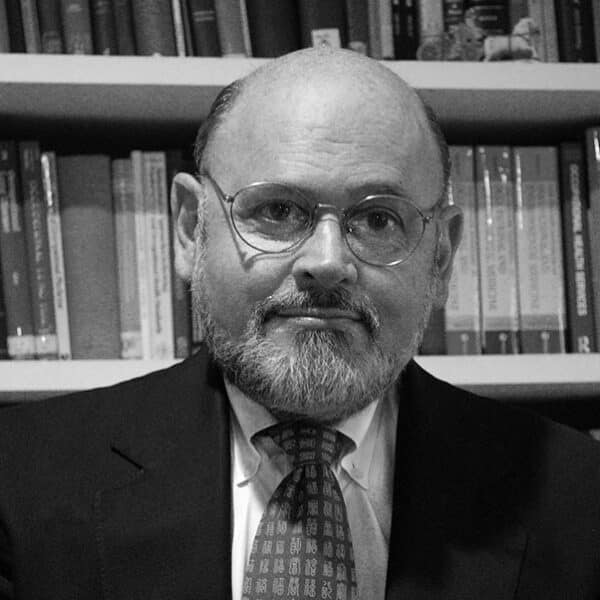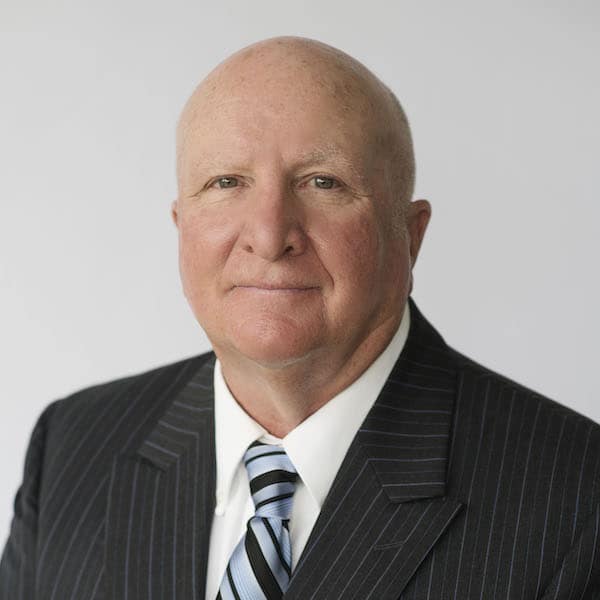
Dr. Donald Mattison
MD, MSc, BA
Chief Medical Officer, Senior Vice-President
Joined RSI in 2012
- MD certified in six states
- Dean, Graduate School of Public Health at the University of Pittsburgh
- Medical Director of the March of Dimes
- Chief, Section on Reproductive Toxicology at the Eunice Shriver NIH
- Director and Chair of the Education Committee, Foundation for Advanced Education in the Sciences NIH
- Associate Medical Director for the Mercy Health Clinic
- Distinguished Professor of Epidemiology in the Arnold School of Public Health
Dr. Donald Mattison joined Risk Sciences International (RSI) in 2012 as Senior Vice-President and Chief Medical Officer, bringing with him a distinguished career spanning public health, clinical medicine, toxicology, and academic leadership. His appointment significantly strengthened RSI’s capacity to deliver integrated medical, epidemiological, and toxicological expertise across a wide range of risk domains.
At RSI, Dr. Mattison serves as the firm’s principal medical authority on matters of drug safety, reproductive and developmental toxicology, pharmacovigilance, and clinical risk assessment. His current focus includes leading research on the safety and efficacy of pharmaceuticals, particularly through the lens of real-world evidence, structured benefit-risk evaluation, and medication-use pattern analysis. He also contributes to RSI’s expanding work in regulatory decision-making, maternal and child health, and population-based risk frameworks.
In addition to his executive responsibilities at RSI, Dr. Mattison holds academic affiliations as Associate Director of the McLaughlin Centre for Population Health Risk Assessment and Adjunct Professor at the School of Epidemiology and Public Health at the University of Ottawa. His cross-appointments allow him to shape RSI’s scientific agenda while maintaining active engagement in public health scholarship and education.
He is also Medical Advisor to QuarterWatch, a drug safety monitoring initiative of the Institute for Safe Medication Practices, and serves as Senior Research Fellow at the International Prevention Research Institute in Lyon, France. These external roles inform his RSI work with up-to-the-minute pharmacovigilance insights and strengthen RSI’s collaborative networks in North America and Europe.
With over 400 peer-reviewed publications to his name, Dr. Mattison’s scientific leadership is recognized globally. At RSI, he applies that knowledge to address modern health risks with precision, ethics, and systems-level thinking.
Pre-RSI
Dr. Mattison’s path to becoming a global authority in reproductive toxicology and public health began with a foundation in the physical sciences. After earning his BA in Chemistry and Mathematics at Augsburg College in 1966, he pursued a Master of Science in Chemistry at MIT, where he designed and built an 18 MHz pulsed NMR spectrometer—a forerunner to contemporary imaging techniques like MRI.
His passion for translational science led him to the Vagelos College of Physicians and Surgeons at Columbia University, where he earned his MD in 1973. He then embarked on dual clinical training paths: a residency in obstetrics and gynecology at Sloane Hospital for Women in New York and a position as Clinical Associate in Developmental and Reproductive Pharmacology and Toxicology at the Eunice Kennedy Shriver National Institute of Child Health and Human Development (NICHD), NIH.
This dual exposure to clinical care and research laid the groundwork for his lifelong contributions to risk science and reproductive health. He would go on to serve as Chief of the Section on Reproductive Toxicology at NICHD, leading efforts to understand and mitigate risks to maternal and fetal health, particularly from pharmaceuticals and environmental exposures.
Dr. Mattison continued his public service through a long and decorated tenure in the U.S. Public Health Service, from which he retired in 2012 with the rank of Captain (O6). During this time, he held prestigious roles including:
-
Medical Director of the March of Dimes, where he advanced birth defect prevention and maternal health initiatives.
-
Dean of the Graduate School of Public Health at the University of Pittsburgh, where he led curriculum innovation and interdisciplinary research in epidemiology and environmental health.
He has also held academic appointments at several institutions, including his most recent role as Distinguished Professor of Epidemiology in the Arnold School of Public Health at the University of South Carolina, a position he accepted in 2021.
Throughout his pre-RSI career, Dr. Mattison maintained medical licensure in six U.S. states—New York, South Carolina, Maryland, Arkansas, Pennsylvania, and Massachusetts—reflecting a sustained commitment to both practice and policy in medicine and public health.
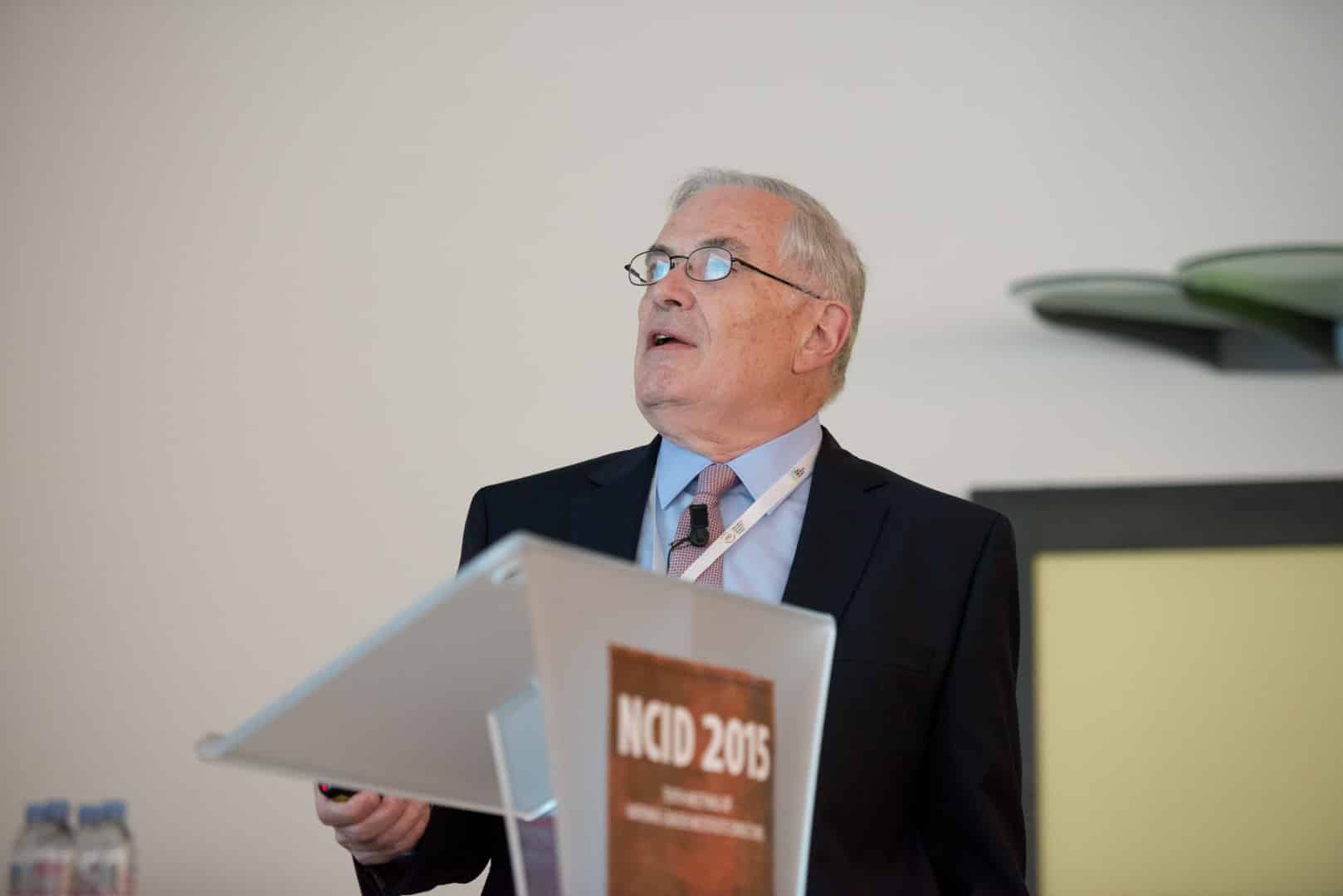
As with many RSI staff, Dr. Mattison is passionate about sharing his findings and knowledge with the broader scientific community.
Case studies associated with Donald Mattison

Publications associated with Donald Mattison
Systemic quinolones and risk of retinal detachment I: analysis of data from the US FDA adverse event reporting system.
Biomarkers for occupational manganese exposure.
Risk of Myocarditis and Pericarditis among Young Adults following mRNA COVID-19 Vaccinations.
Magnetic resonance imaging T1 indices of the brain as biomarkers of inhaled manganese exposure.
Biomarkers of environmental manganese exposure.
Systemic quinolones and risk of acute liver failure I: Analysis of data from the US FDA adverse event reporting system.
Association of treatments for acute appendicitis with pregnancy outcomes in the United States from 2000 to 2016: Results from a multi-level analysis.
Systemic quinolones and risk of acute liver failure III: A nested case-control study using a US electronic health records database.

Search all publications
RSI News associated with Donald Mattison
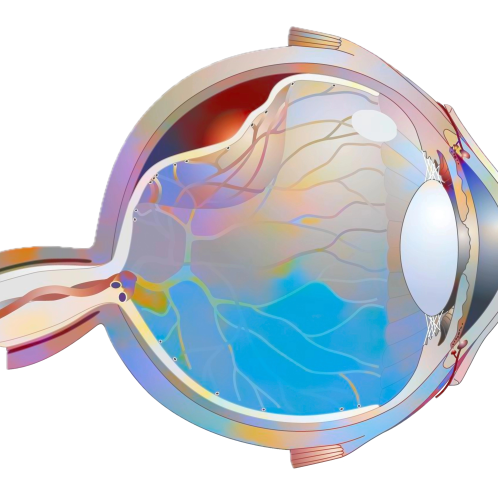
Quinolones and risk of retinal detachment
Outside RSI
Dr. Donald Mattison’s career has long been distinguished not only by scientific achievement but by a deep and sustained commitment to service, education, and personal wellness.
He has served in leadership and volunteer roles with organizations dedicated to public service, including his long-standing involvement with the Foundation for Advanced Education in the Sciences (FAES) at the NIH, where he served on the Board of Directors and as Chair of the Education Committee from 2015 to 2020. His work there supported the professional development of scientists and physicians across disciplines, fostering lifelong learning at the nexus of research, regulation, and medicine.
In the clinical realm, Dr. Mattison has provided thousands of hours of care to underserved populations as a volunteer physician and Associate Medical Director at the Mercy Health Clinic in Maryland and now as Chair of the Quality Improvement Committee for Volunteers in Medicine in Hilton Head, South Carolina. These roles underscore his belief that accessible, high-quality healthcare is both a scientific and moral imperative.
He is also an avid fly-fisher and environmental educator, serving as a certified instructor and medical volunteer at the Trout Unlimited Conservation and Fly-Fishing Camp in the Mid-Atlantic U.S. There, he blends environmental stewardship with outdoor education, using nature as both a classroom and a restorative space.
Whether advising global drug regulators, co-authoring articles on pharmacokinetics and risk modeling, or caring for patients in community clinics, Dr. Mattison approaches each role with discipline, humility, and a commitment to the public good. He continues to mentor rising scientists and health professionals, serving as a bridge between academic medicine, regulatory policy, and the practical realities of care delivery.
In every facet of his work and life, Dr. Mattison exemplifies the ideal of a physician-scientist in service of society, bringing clarity, compassion, and scientific rigor to the complex challenges of human health.