A Risk Sciences International Case Study

Environmental Health Factors, Chronic Diseases, and Pandemic Resilience
Environmental health factors

Client: Health Canada

Listing of the client in no way affirms the client's support, sponsorship, or validation in any form of Risk Sciences International or the RSI staff member(s) who conducted this project during their stay with RSI or prior to joining the company. This case study is displayed for informative purposes only to demonstrate the capacity of RSI staff members. This case study reveals no proprietary information or information deemed sensitive.

Project description:

Environmental Health Factors, Chronic Diseases, and Pandemic Resilience

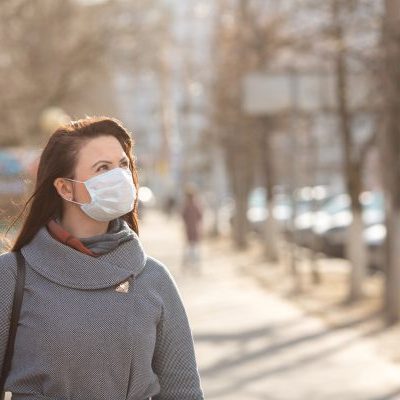
To support more effective health policy and pandemic preparedness, this project examined how environmental health factors intersect with chronic disease and influence pandemic resilience. The client sought evidence to clarify how exposures to contaminants in air, water, and soil contribute to the environmental burden of disease in Canada and exacerbate vulnerability to infectious disease outcomes, including COVID-19.

The objective was to consolidate scientific evidence on the health impacts of environmental determinants—such as chemical exposures and poor environmental quality—and how these may increase susceptibility to diseases like COVID-19, especially among marginalized populations. The client also aimed to explore how these environmental factors relate to long-term health resilience and to identify actionable strategies for recovery and prevention in future public health crises.

Work involved a rapid scoping review of literature from the past two decades, emphasizing evidence relevant to Canada while allowing for contextual insights from jurisdictions like the US, EU, and Australia. The review addressed several key questions: the current environmental burden of disease; the role of comorbidities in susceptibility to SARS-CoV-2; strategies for reducing environmental risk over time; integration of environmental determinants into population health approaches; and the compounding impact of social inequities.

The final output was a comprehensive report structured around these questions, supported by a high-level summary document featuring graphical elements to improve readability. The project was designed to support Health Canada’s efforts to prioritize and implement environmental health actions that promote recovery and build long-term resilience in Canada’s public health systems.

Start: 2021

End: 2021

Experts related to this case study

Franco Momoli

Vice-President Chemical and Product Safety

Dr. Franco Momoli joined Risk Sciences International (RSI) in 2019 and currently serves as Vice-President, Chemical and Product Safety. In this role, he leads a multidisciplinary team of epidemiologists, risk assessors, toxicologists, and biostatisticians in conducting human health risk assessments...
Read More about Franco Momoli

More RSI Case Studies

RSI presents a very small selection of case studies to highlight some of its key work.
Wildfire and residential smoke risk communication

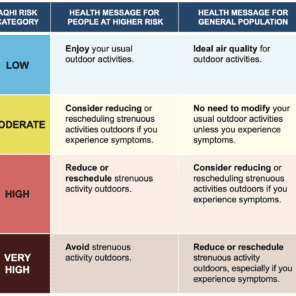
Government authorities faced recurring challenges in communicating health risks from smoke caused by both wildfires and residential burning. While these events were becoming more frequent and more severe, the public health messages often failed to resonate with affected communities or...
Read More about Wildfire and residential smoke risk communication

Risk-based decision making framework

The Alliance of Blood Operators (ABO) sought to move its members toward a consistent, transparent approach to risk-based decision-making. Having worked through the development of a framework, the organization now wanted formal adoption, external validation, and practical application to real-world...
Read More about Risk-based decision making framework

Technical Support for Risk-Based Decision Making (RBDM)

To enhance the oversight of cannabis production under its regulatory mandate, the Cannabis Directorate sought expert support in developing a risk-based decision-making framework tailored to its compliance and enforcement responsibilities. The directorate aimed to better assess and respond to non-conformance...
Read More about Technical Support for Risk-Based Decision Making (RBDM)

Risk-Based Decision-Making (RBDM) Support for Plasma Supply / Sufficiency

Facing renewed challenges in securing a reliable domestic plasma supply, Canadian Blood Services sought support to apply a Risk-Based Decision-Making (RBDM) framework. The objective was to assess the value and implications of expanding domestic plasma collection and processing capacity in...
Read More about Risk-Based Decision-Making (RBDM) Support for Plasma Supply / Sufficiency

Methodology for Developing Risk Significance Insights

The project centered on supporting the development of a methodology that could eventually be implemented as an Artificial Intelligence (AI) or Machine Learning (ML) process. The objective was to help formalize and potentially automate how professional judgment is applied when...
Read More about Methodology for Developing Risk Significance Insights

Building an international alliance and campaign

UN-Habitat sought to establish a new global platform to bring coherence to international dialogue on sustainable urbanization. At the outset, this initiative had no name, no identity, and no governing structure, only the recognition that cities faced pressing challenges requiring...
Read More about Building an international alliance and campaign