A Risk Sciences International Case Study

Wildfire and residential smoke risk communication
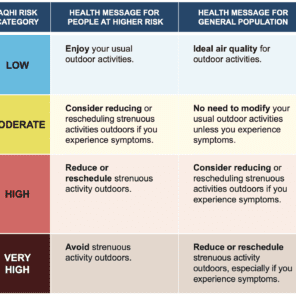
RSI studies health risks of smoke

Client: Environment and Climate Change Canada, Health Canada

Listing of the client in no way affirms the client's support, sponsorship, or validation in any form of Risk Sciences International or the RSI staff member(s) who conducted this project during their stay with RSI or prior to joining the company. This case study is displayed for informative purposes only to demonstrate the capacity of RSI staff members. This case study reveals no proprietary information or information deemed sensitive.

Project description:

Wildfire and residential smoke risk communication

Government authorities faced recurring challenges in communicating health risks from smoke caused by both wildfires and residential burning. While these events were becoming more frequent and more severe, the public health messages often failed to resonate with affected communities or to change behavior. RSI was asked to examine the effectiveness of current communication approaches and to provide recommendations for clearer, more targeted messaging.

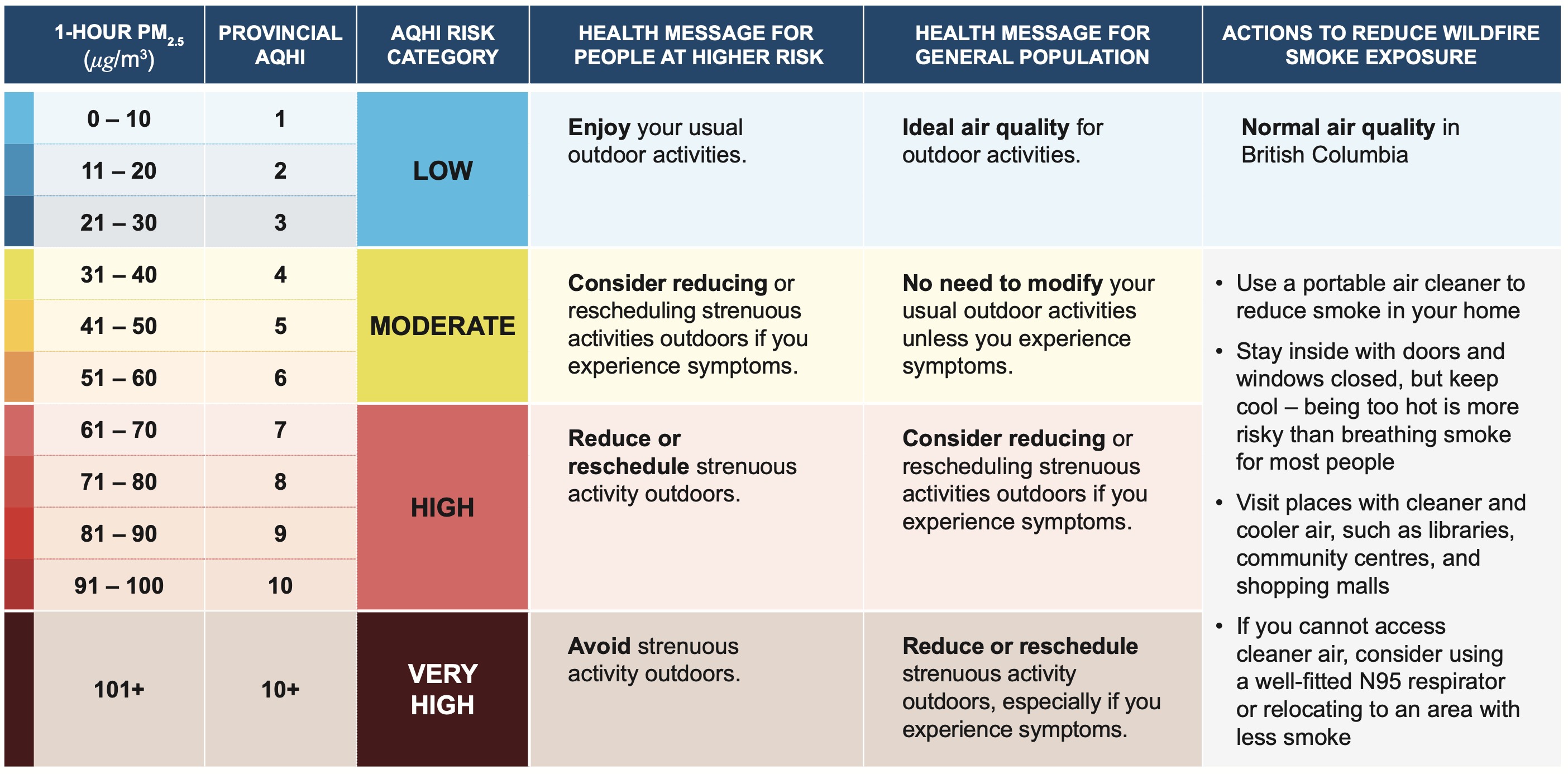
The project began with a literature and media review, along with interviews of government officials and air quality advocates involved in smoke response. Analysis focused on both the risk perceptions of affected communities and the content of the messages being issued. The effectiveness of the messaging was evaluated in terms of clarity, credibility, and usefulness in guiding protective behavior. RSI also examined innovative tools such as the AQHI-Plus developed by the British Columbia Centres for Disease Control, which adapts the Air Quality Health Index to reflect smoke-specific particulate exposures.

The outcome was a report synthesizing findings and setting out recommendations for improved smoke-related health risk messages. RSI then applied risk communication principles to the development of revised AQHI messages tailored for wildfire smoke and residential smoke separately. These messages were structured to improve comprehension, support informed choices, and increase protective action, thereby strengthening public health preparedness in the face of escalating smoke events.
Experts related to this case study

Anne Wiles

Senior Analyst

Dr. Anne Wiles joined Risk Sciences International (RSI) in 2008, where she currently serves as a Senior Analyst specializing in risk communication, perception, and governance. With a distinctive blend of expertise in language, regulation, and the use of science in...
Read More about Anne Wiles

More RSI Case Studies

RSI presents a very small selection of case studies to highlight some of its key work.

Measuring impact of zoonotic animal diseases in Canada

The Canadian Food Inspection Agency sought RSI’s support in exploring how human health impacts from zoonotic diseases could be compared consistently with other public health risks. Traditionally, animal disease control decisions relied on veterinary and economic measures, but there was...
Read More about Measuring impact of zoonotic animal diseases in Canada

Pickering Nuclear Facility Re‑licensing

The client sought support to finalize a Commission Member Document (CMD) for the re‑licensing of a nuclear facility. Recognizing the complexity and sensitivity of reactor re‑licensing, they requested assistance in crafting communication materials that were both technically comprehensive and accessible...
Read More about Pickering Nuclear Facility Re‑licensing

Environmental Public Health Approach (EPHA) to Chemicals Expert Workshop

To advance the Government of Canada’s Chemicals Management Plan (CMP), a virtual expert workshop was planned and hosted to refine and evaluate a Canadian framework for the Environmental Public Health Approach (EPHA) to chemicals. The initiative focused on developing case...
Read More about Environmental Public Health Approach (EPHA) to Chemicals Expert Workshop

Age-Related Cognitive Decline: Systematic Review and Meta-Analysis

The College of Physicians & Surgeons of Alberta (CPSA) commissioned a systematic review and meta-analysis to support evidence-informed decision-making around age-related cognitive decline among practicing physicians. The initiative was led by CPSA’s Physician Health Monitoring Program (PHMP), which sought to...
Read More about Age-Related Cognitive Decline: Systematic Review and Meta-Analysis

Risk Communication on McIntyre Powder

In response to increasing public concern about the historical use of McIntyre Powder—an aluminum-based substance once administered to miners in Ontario to prevent silicosis—the client sought expert guidance on managing risk communication related to potential health implications. Widespread media coverage...
Read More about Risk Communication on McIntyre Powder

International newspaper rethink

The International Herald Tribune (IHT) sought guidance at a time of profound change in the media landscape. With the World Wide Web emerging and competition intensifying from global and regional editions of established outlets such as The Economist, The Wall...
Read More about International newspaper rethink