Case Studies
The case studies listed here are for demonstration purposes exclusively. They are neither intended as references nor as validation by RSI clients. These case studies are a sample of the work done by RSI or directly led by its staff prior to joining RSI. They are intended as an illustration of the type of work that current RSI staff are able to deliver.

To support its Standards to Support Resilient Infrastructure Program, the Standards Council of Canada (SCC) launched a national consultation campaign to identify and prioritize climate-related standardization needs. SCC required a flexible risk prioritization framework to evaluate the relative urgency and...

To support the quality and defensibility of regulatory decision-making under the Canadian Environmental Protection Act, 1999 (CEPA), Health Canada engaged Risk Sciences International to coordinate an independent external peer review of the Draft Screening Assessment Report (DSAR) for Selected C3-C5...

The Financial Consumer Agency of Canada (FCAC) engaged Risk Sciences International to provide strategic advisory services aimed at enhancing its regulatory compliance model through risk-based methodologies. FCAC’s objective was to explore new approaches that would integrate digital tools and data-driven...

To enhance the methodological rigour of its scientific assessments, EFSA sought to develop a standardised framework for problem formulation (PF) within its non-application scientific assessment protocols. The goal was to support the planning phase of these assessments by establishing a...

The project centered on supporting the development of a methodology that could eventually be implemented as an Artificial Intelligence (AI) or Machine Learning (ML) process. The objective was to help formalize and potentially automate how professional judgment is applied when...

The College of Physicians & Surgeons of Alberta (CPSA) commissioned a systematic review and meta-analysis to support evidence-informed decision-making around age-related cognitive decline among practicing physicians. The initiative was led by CPSA’s Physician Health Monitoring Program (PHMP), which sought to...
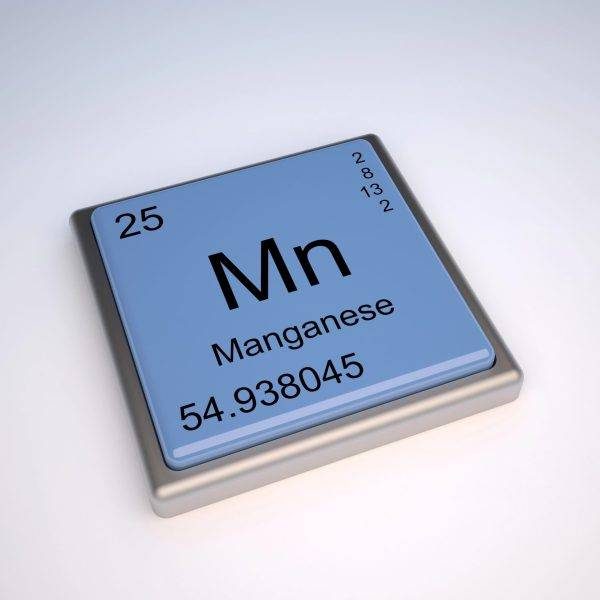
Establishing science-based drinking water guidelines for manganese requires integrating diverse regulatory approaches, emerging modeling tools, and evolving toxicological evidence. The client commissioned this project to systematically assess existing manganese drinking water guidelines and the scientific foundations upon which they are...

The International Herald Tribune (IHT) sought guidance at a time of profound change in the media landscape. With the World Wide Web emerging and competition intensifying from global and regional editions of established outlets such as The Economist, The Wall...

To support more consistent and quantitative assessments of new micro-organisms under the Canadian Environmental Protection Act, Health Canada's New Substances Program (NSP) sought to refine the tools and processes within its Microbial Risk Assessment Framework (MRAF). The NSP had previously...

To advance the Government of Canada’s Chemicals Management Plan (CMP), a virtual expert workshop was planned and hosted to refine and evaluate a Canadian framework for the Environmental Public Health Approach (EPHA) to chemicals. The initiative focused on developing case...

To support regulatory decision-making, a comprehensive risk assessment was conducted to evaluate how varying lethality performance standards would impact the public health burden of salmonellosis associated with Ready-to-Eat (RTE) meat and poultry products. The primary objective was to quantify the...

To support more effective health policy and pandemic preparedness, this project examined how environmental health factors intersect with chronic disease and influence pandemic resilience. The client sought evidence to clarify how exposures to contaminants in air, water, and soil contribute...

To support decision-making around modifications to opioid agonist treatment delivery, a detailed risk assessment was requested to evaluate the integration of secure dispensing devices for direct patient access to hydromorphone. Building on a previously conducted preliminary assessment, the work required...